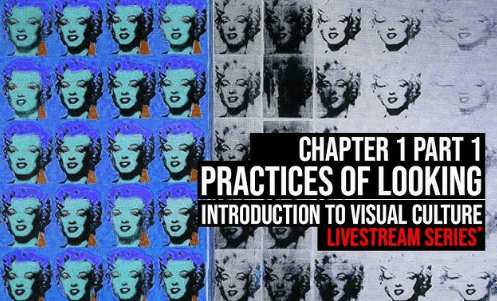

The exploration of visual culture reveals critical insights into how imagery informs our understanding of the world around us. “Practices of Looking: an Introduction to Visual Culture” invites an examination of the complex interplay between visual perception and cultural narratives, highlighting the significance of visual literacy in contemporary society. As we navigate an environment saturated with images, it becomes essential to scrutinize the power dynamics inherent in visual representations. This inquiry raises pertinent questions about identity, influence, and the societal implications of what we see—prompting a deeper consideration of the mechanisms that shape our visual experiences.
Understanding Visual Culture
In the realm of contemporary society, understanding visual culture is not merely an intellectual exercise; it is an essential framework for deciphering the myriad ways in which images shape our perceptions and experiences.
Iconic representations serve as vessels of cultural symbolism, encapsulating complex narratives that influence social identities.
Read Also: Cool:_Hmknbalvnm= Anime Boy
Theories of Visual Perception
Exploring the theories of Practices of Looking: an Introduction to Visual Culture perception reveals the intricate processes through which individuals interpret and make sense of visual stimuli.
Visual cognition, rooted in perceptual psychology, highlights the role of cultural symbolism and aesthetic experience in image interpretation.
This framework fosters sensory engagement and enhances visual literacy, urging critical analysis of how we perceive and understand visual culture, ultimately advocating for a more liberated approach to interpretation.
Power Dynamics in Imagery
Images wield significant power, shaping perceptions and influencing societal narratives in profound ways. They serve as tools of authority representation and cultural symbolism, often reinforcing social hierarchies.
Through image commodification and visual propaganda, identities are constructed and manipulated, reflecting dominant ideologies. Understanding these power dynamics is crucial, as they dictate not only what is seen but also who gets to be seen and heard.
Visual Media in Everyday Life
The pervasive presence of visual media in everyday life reflects the complex interplay between individual perception and societal narratives.
Social media platforms, saturated with advertising imagery, shape cultural representation and influence consumer visuality. This visual storytelling becomes a lens for everyday aesthetics, demanding heightened visual literacy to navigate the complexities of image saturation.
Ultimately, these dynamics challenge our understanding of freedom in a visually dominated culture.
Read Also: Cool:_7dz8vls568= Instagram Usernames Ideas
Conclusion
In contemplating the intricate tapestry of Practices of Looking: an Introduction to Visual Culture, one uncovers not merely images, but the potent narratives that shape societal consciousness. The subtle interplay of perception and power invites a critical engagement with the visual landscape, revealing the often-unseen forces that influence identities and collective memory. Embracing this analytical lens fosters a richer appreciation for the visual phenomena that permeate daily existence, encouraging a thoughtful exploration of the meanings embedded within the images that saturate contemporary life.